Real projects, real bills - before and after solar
Four systems we commissioned across Ahmedabad, Gandhinagar and Mehsana, with the numbers that actually matter: what it cost after the ₹78,000 subsidy, and what the bill looks like now.
Satellite, Ahmedabad
3 BHK bungalow cuts a ₹3,800 bill to ₹280
3 kW on-grid · Torrent Power
₹3,800 / month₹280 / month
Annual saving
₹42,000 / year
Investment
₹1.17 lakh after ₹78,000 subsidy
Timeline
Survey to net meter: 14 days
A shadow-free 320 sq ft terrace let us fit 3 kW at the ideal 23° tilt. Daytime load runs directly on solar and surplus units bank against the night usage, leaving only fixed charges on the bill.
Sector 21, Gandhinagar
Gandhinagar sector home covers its AC load
5 kW on-grid · UGVCL
₹6,200 / month (summer)₹640 / month
Annual saving
₹58,000 / year
Investment
₹2.32 lakh after ₹78,000 subsidy
Timeline
Installed in 3 days
Two ACs and a borewell pump made summer bills painful. A 5 kW system generates around 625 units a month, which fully absorbs the cooling season and builds credit through the mild months.
Dediyasan GIDC, Mehsana
Mehsana engineering unit saves ₹1.9 lakh a month
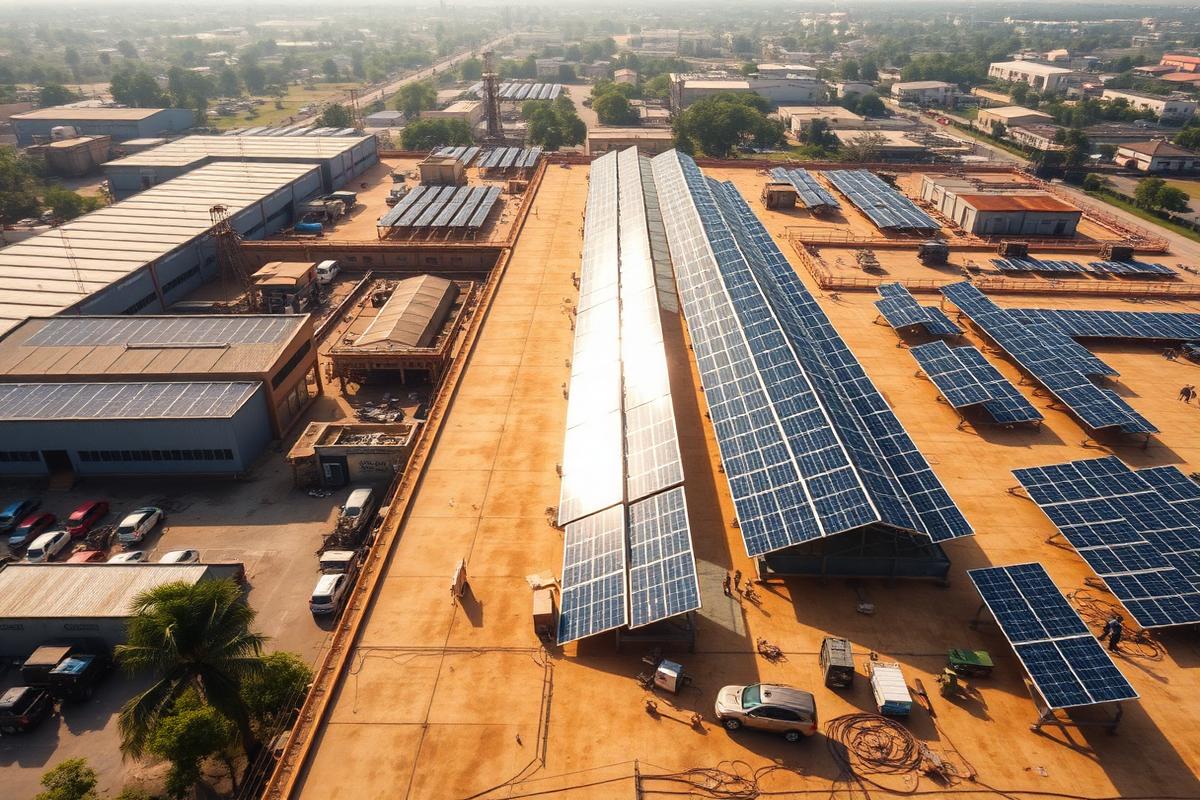
80 kW commercial rooftop
₹4.6 lakh / month₹2.7 lakh / month
Annual saving
₹22.8 lakh / year
Investment
₹42 lakh (accelerated depreciation availed)
Timeline
Commissioned in 21 days
Machine load runs almost entirely in daylight hours, so generation is consumed on site at the highest commercial tariff slab. With depreciation benefit the payback is tracking under three years.
Bopal, Ahmedabad
Bopal home right-sized instead of over-sold
4 kW on-grid · Torrent Power
₹4,400 / month₹390 / month
Annual saving
₹48,000 / year
Investment
₹1.78 lakh after ₹78,000 subsidy
Timeline
Survey to commissioning: 12 days
The customer was quoted 6 kW elsewhere. Bill analysis showed 4 kW covered annual consumption with a small margin, saving roughly ₹1.2 lakh upfront with no loss in savings.
Commercial and industrial rooftops
Factories and warehouses in GIDC belts around Ahmedabad, Sanand and Mehsana consume most of their load in daylight hours, which is why commercial payback is usually faster than residential - often under four years once accelerated depreciation is factored in.